
9 Early Signs of Diabetes You Might Not Notice at First
Diabetes is a chronic condition that affects how your body regulates blood sugar (glucose). In the early stages—especially for type 2 diabetes—symptoms can be mild or easily mistaken for everyday health issues, making it possible to overlook them for months or even years. Recognizing these subtle signs early can help you seek medical testing and take action before serious complications develop.
1. Frequent Urination
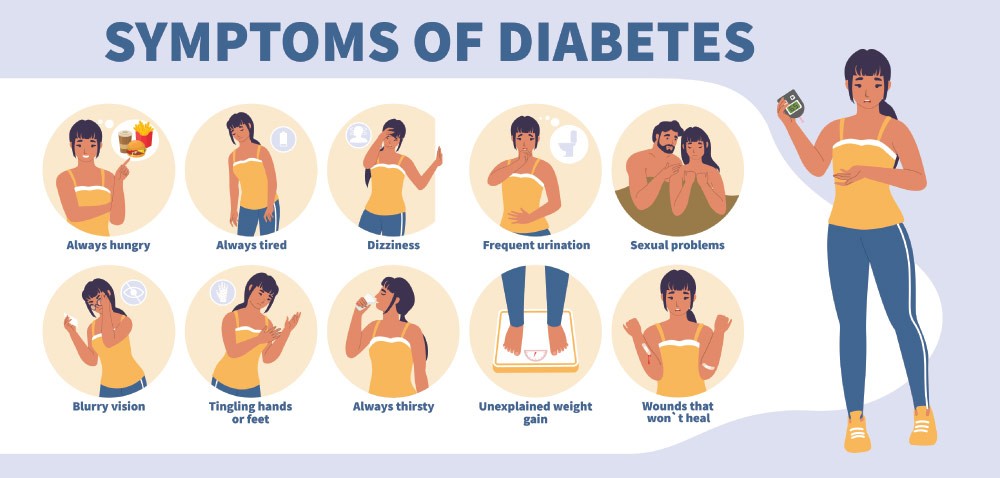
One of the earliest signs is needing to urinate more often than usual, especially at night. High blood sugar forces your kidneys to remove excess glucose by producing more urine.
2. Increased Thirst
Because you’re losing more fluids through frequent urination, your body compensates by increasing thirst—often more than you’d expect.
3. Persistent Hunger
Even if you’ve eaten recently, cells may not be getting enough glucose for energy, leading to continuous hunger.
4. Feeling Very Tired
Fatigue that doesn’t seem to go away can occur when your cells can’t efficiently use glucose for energy—common in both type 1 and type 2 diabetes.
5. Unintended Weight Loss
Weight loss without trying can happen when your body begins burning fat and muscle for energy because it cannot access glucose effectively.
6. Blurred Vision
High glucose levels can affect eye fluid balance, causing the lenses to swell and blur your vision. This may come and go early on.
7. Dry or Itchy Skin
Fluid imbalances and poor circulation related to high blood sugar can lead to dry, itchy skin—often brushed off as simple dryness.
8. Slow-Healing Wounds or Frequent Infections
High blood sugar impairs circulation and immune response, meaning cuts, sores, or infections (like yeast infections or UTIs) may take longer to heal or recur frequently.
9. Numbness or Tingling in Hands and Feet
Nerve damage (neuropathy) from elevated blood sugar may cause tingling, numbness, or a “pins and needles” feeling in your extremities—often noticed late if ignored earlier.
Why Early Detection Matters
Many people with early-stage diabetes don’t realize they have it because symptoms can be subtle or mistaken for stress, aging, or dehydration. However, catching the condition early through blood sugar testing and medical evaluation can prevent or delay serious complications such as nerve damage, vision loss, heart disease, and kidney problems.
When to See a Doctor
If you notice one or more of the symptoms above—especially if they persist for several weeks—talk to a healthcare provider. A simple blood test, such as fasting glucose or A1C, can help diagnose diabetes or prediabetes. Early diagnosis leads to earlier lifestyle changes and treatment, which can significantly improve long-term health outcomes.
Bottom Line
Diabetes often begins quietly, with signs that may go unnoticed. Being aware of these 9 early symptoms empowers you to take control of your health before the condition progresses.


0 Comment:
Post a Comment