You finally thought your blood pressure was under control, yet your shoes feel tighter, your face looks puffier, and by evening you feel strangely drained. It is frustrating and even a little embarrassing when your body changes in ways you cannot explain. Many older adults quietly blame aging, but the truth is often closer than you think. What if the small pill you take daily is behind these changes and there is a smarter way to manage them without panic
What Is Amlodipine And Why Is It Prescribed
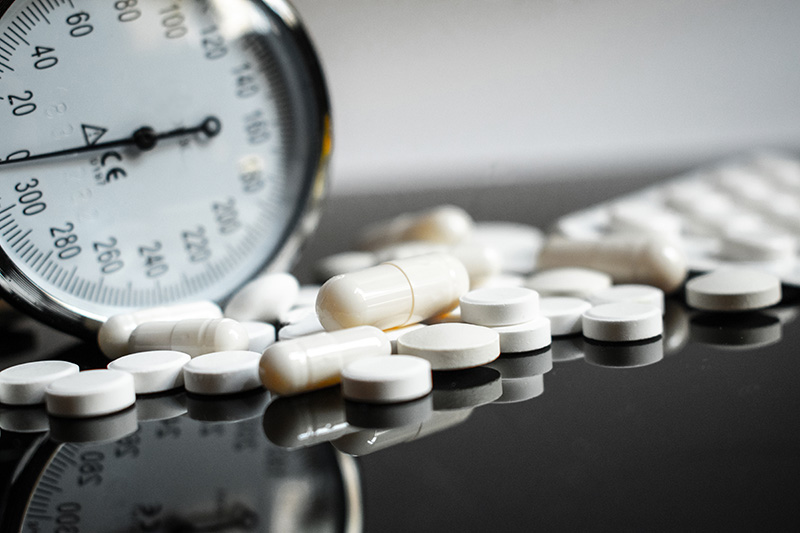
Amlodipine is a commonly prescribed medication used to help manage high blood pressure and certain heart conditions. It belongs to a group of drugs called calcium channel blockers. Simply put, it helps relax blood vessels so blood flows more easily.
For many people, especially older adults, it plays an important role in keeping blood pressure within a safer range. Studies have shown that medications like this can reduce the risk of serious complications when used properly.
But here is where it gets interesting
While effective, Amlodipine can also cause side effects that are often misunderstood or ignored.
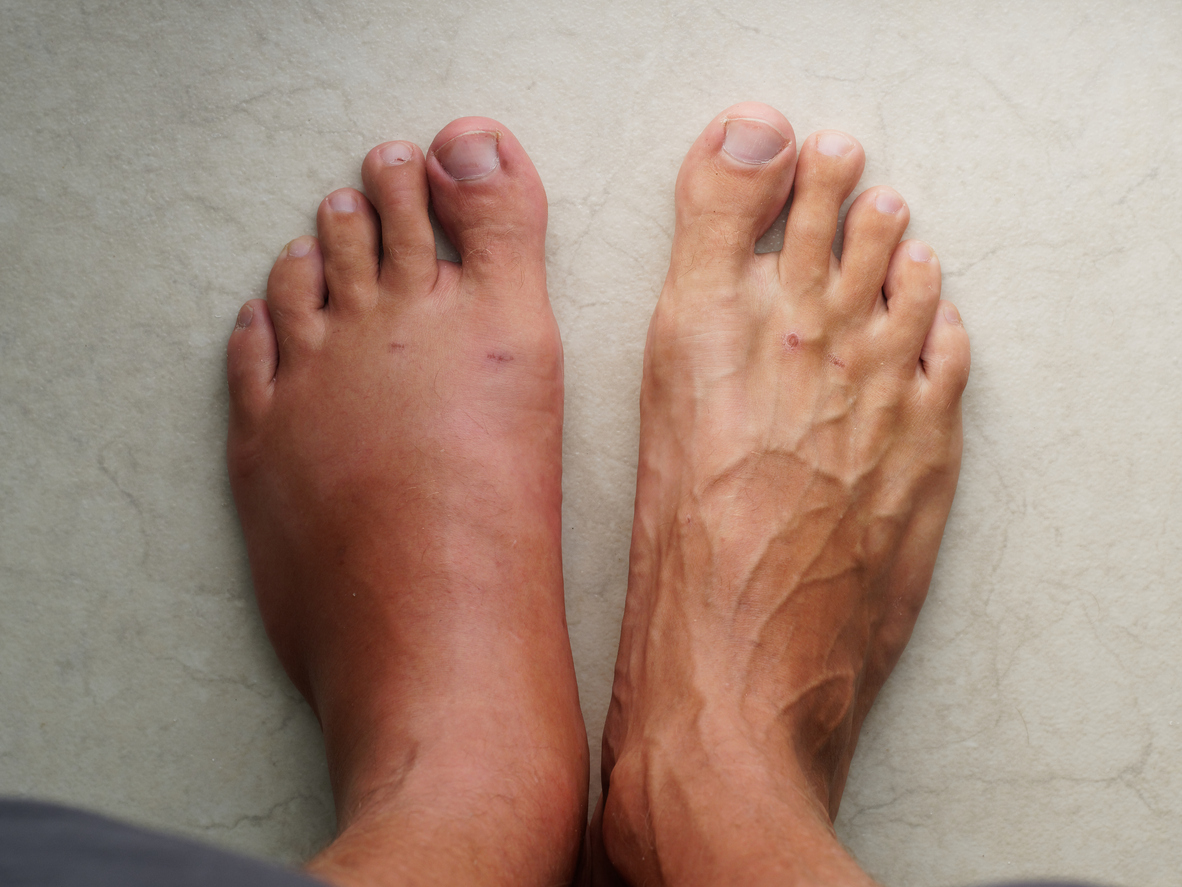
Swelling In Feet And Ankles That Sneaks Up On You
This is one of the most common complaints.
You may notice your socks leaving deeper marks or your shoes feeling tighter by the end of the day. This happens because Amlodipine can cause fluid to build up in the lower legs.
But that is not all
Many people ignore this thinking it is just aging or standing too long.
What you can do right away
• Elevate your legs for 20 minutes a day • Avoid sitting for long periods • Wear comfortable shoes that are not tight
If swelling becomes severe or painful, it is time to speak with your doctor.
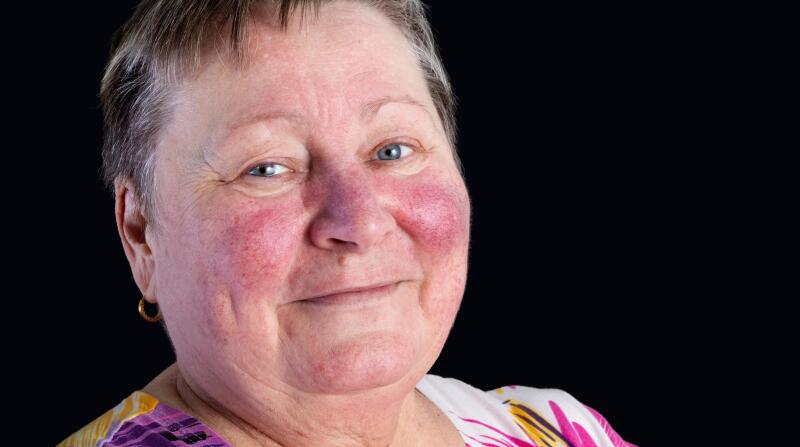
Facial Puffiness And Flushing That Feels Uncomfortable
Have you ever looked in the mirror and thought your face looks fuller or slightly red?
Amlodipine can widen blood vessels, which may lead to facial flushing or puffiness. It is not dangerous in most cases, but it can feel uncomfortable or even embarrassing.
The truth is
This side effect is more noticeable in warm environments or after physical activity.
Simple adjustments
• Stay hydrated • Avoid excessive heat exposure • Use a cool compress when needed
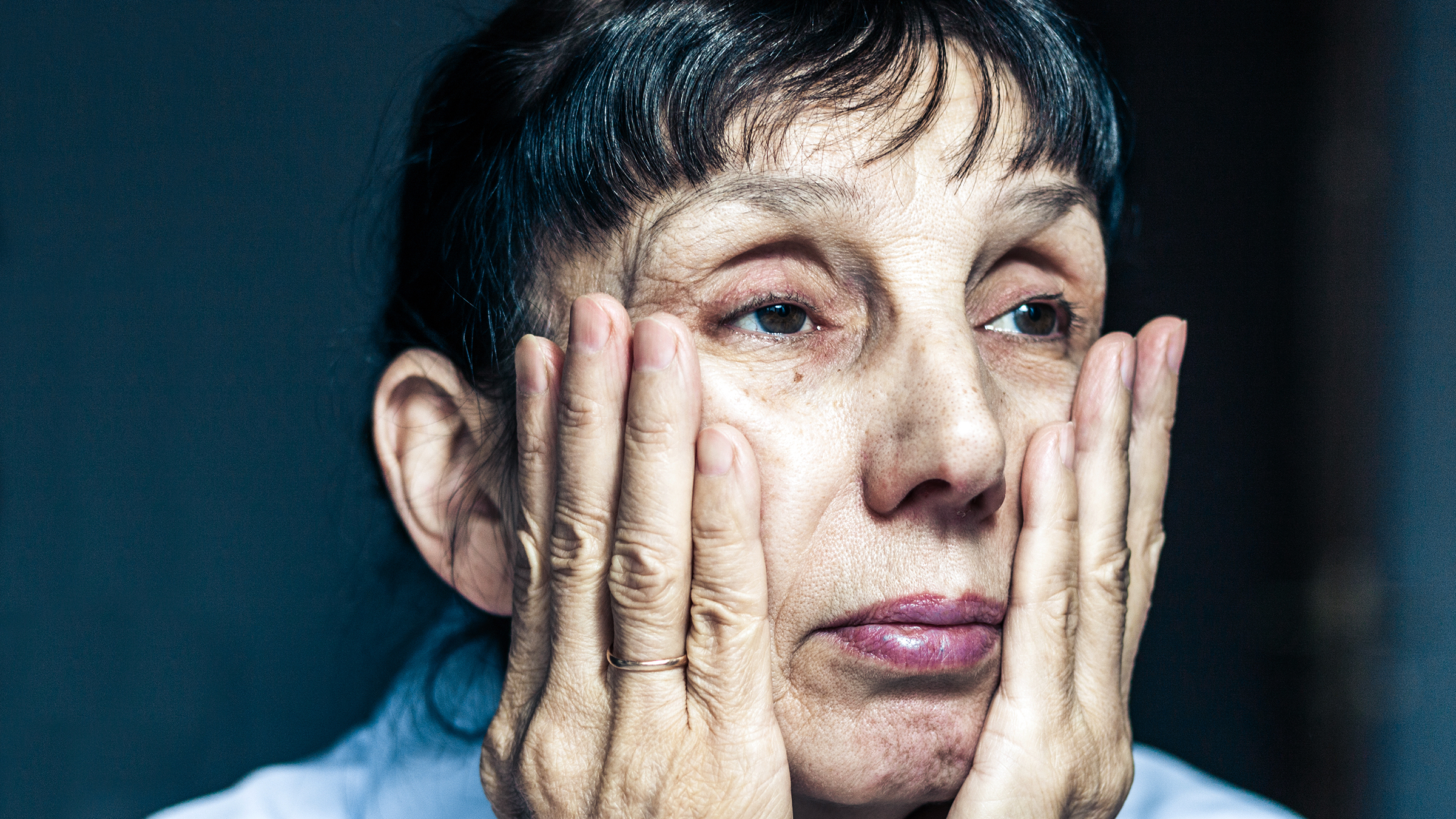
Persistent Fatigue That Drains Your Day
Feeling tired all the time is not always just age.
Amlodipine may lower blood pressure slightly more than your body is used to, leading to fatigue or weakness.
Here is the part many people miss
You may not feel dizzy, but your energy levels quietly drop.
Warning signs
• Lack of motivation • Feeling sleepy during the day • Reduced physical activity
Dizziness And Lightheaded Moments
Standing up too quickly and feeling like the room is spinning can be unsettling.
This happens because Amlodipine lowers blood pressure, and your body may need time to adjust.
But wait
Ignoring this can increase the risk of falls, especially in older adults.
Safety tips
• Stand up slowly from sitting or lying down • Hold onto stable surfaces when needed • Avoid sudden movements
Headaches That Come And Go
Some people experience mild headaches when starting Amlodipine.
This is usually temporary and related to changes in blood flow.
The good news
It often improves after your body adjusts.
Helpful habits
• Drink enough water • Maintain a regular sleep schedule • Limit caffeine if headaches worsen
Heart Palpitations Or Rapid Heartbeat
You might feel your heart beating faster or irregularly.
This can be alarming, but it is sometimes linked to how your body responds to the medication.
However
If this happens frequently or feels intense, it should not be ignored.
Nausea And Digestive Discomfort
Some individuals notice mild nausea or loss of appetite.
This is usually not severe but can affect daily comfort.
• Take your medication at the same time daily • Monitor your blood pressure regularly • Stay physically active with light walking • Reduce salt intake • Keep a symptom journal
According to health research, small lifestyle adjustments can significantly improve how your body responds to medication.
Final Thoughts
Amlodipine can be helpful, but your body always sends signals when something feels off.
Social Sciences
Do not ignore subtle changes. The earlier you notice them, the easier it is to manage.
And remember that small daily habits often make the biggest difference.
Frequently Asked Questions
Is swelling from Amlodipine dangerous
In most cases, it is not dangerous but should be monitored. If it becomes severe or painful, consult your doctor.
Can side effects go away over time
Yes, many side effects improve as your body adjusts within a few weeks.
Should I stop taking Amlodipine if I feel side effects
Do not stop suddenly. Always discuss with a healthcare professional before making changes.
Medical Disclaimer
This article is for informational purposes only and does not replace professional medical advice. Always consult a qualified healthcare provider regarding any concerns about medications or symptoms.





0 Comment:
Post a Comment