
The Purple Maguey plant is admired not only for its striking purple leaves but also for its long history in traditional herbal practices across parts of Central America, the Caribbean, and Southeast Asia. While many people grow it as an attractive ornamental plant, others have passed down stories of its use in home remedies for generations.
Today, interest in the Purple Maguey plant has grown as researchers continue exploring the natural compounds found in medicinal plants. Although traditional knowledge offers valuable cultural insights, it's important to recognize that many claimed health benefits have not yet been confirmed through large, high-quality human clinical studies.
Let's take a closer look at what the Purple Maguey plant is, how it has traditionally been used, what modern science has discovered so far, and how people have historically prepared it.
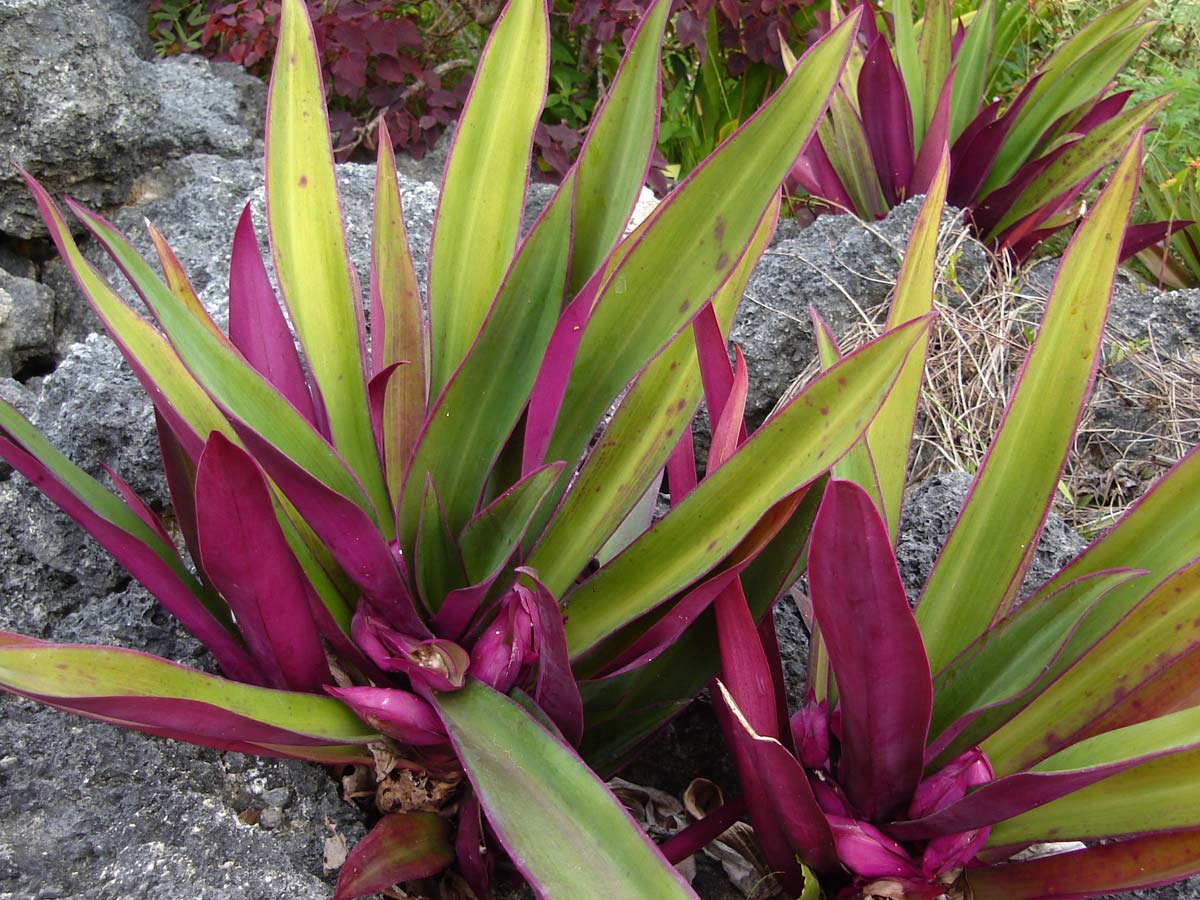
What Is the Purple Maguey Plant?
The name "Purple Maguey" commonly refers to purple-leaved ornamental and medicinal plants in different regions, depending on local traditions. In many areas, it is associated with Tradescantia spathacea (also known as oyster plant, boat lily, or Moses-in-the-cradle), while in other locations the name may be used for different purple-leaved species.
The plant is recognized by:
Long, sword-shaped leaves
Deep purple undersides
Green upper leaf surfaces in many varieties
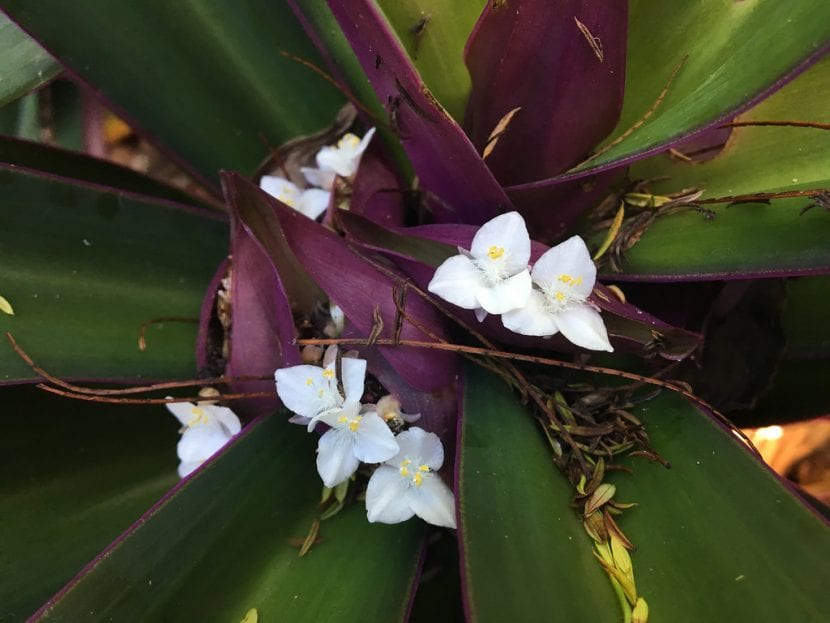
Small white flowers nestled within boat-shaped purple bracts
Fast-growing, hardy nature
Because common names vary by country, correctly identifying the plant species is important before considering any traditional herbal use.
A Long History in Traditional Herbal Practices
For generations, Purple Maguey has been incorporated into traditional remedies in several cultures.
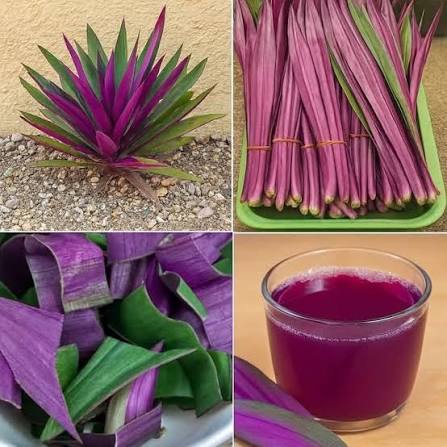
Historically, people have prepared the plant as:
Herbal teas
Leaf decoctions
Fresh juices
Poultices
Warm compresses
Traditional practitioners have used it to support:
General wellness
Digestive comfort
Respiratory comfort
Minor skin concerns
Hydration during hot weather
These practices are based primarily on traditional knowledge and cultural experience rather than definitive clinical evidence.
Naturally Occurring Plant Compounds
Scientists have identified several naturally occurring compounds in Purple Maguey that have attracted research interest.
These may include:
Flavonoids
Phenolic compounds
Anthocyanins
Tannins
Saponins
Natural antioxidants
Plant pigments
Many of these compounds are found in colorful fruits, vegetables, and herbs that contribute antioxidant activity.
Research is ongoing to better understand how these substances may influence human health.
1. Traditionally Used to Support Respiratory Comfort
In several traditional medicine systems, Purple Maguey leaves have been prepared as warm herbal infusions to support respiratory comfort.
People have traditionally consumed these preparations during periods of:
Mild throat irritation
Occasional coughing
Seasonal respiratory discomfort
While laboratory studies suggest some plant compounds may have biological activity, there is currently insufficient clinical evidence to conclude that Purple Maguey effectively treats respiratory illnesses.
Persistent cough, shortness of breath, fever, or chest pain should always be evaluated by a healthcare professional.
2. A Source of Natural Antioxidants
One reason Purple Maguey has attracted scientific attention is its naturally occurring antioxidants.
Antioxidants help neutralize unstable molecules known as free radicals, which are produced during normal metabolism and through exposure to environmental factors such as pollution and ultraviolet light.
A diet rich in antioxidant-containing plant foods has been associated with overall health and healthy aging.
However, no single plant can provide all the antioxidants your body needs, making dietary variety essential.
3. Traditionally Used for Minor Skin Concerns
Fresh Purple Maguey leaves have historically been crushed and applied externally in traditional medicine.
These applications have included:
Minor insect bites
Small scratches
Mild skin irritation
Although this practice remains common in some communities, scientific evidence supporting these uses is limited.
Open wounds, burns, infected skin, or persistent rashes should always receive professional medical care.
4. Traditionally Used to Promote Digestive Comfort
In some cultures, herbal teas prepared from Purple Maguey have been used to support digestive wellness.
Traditional uses include:
Occasional bloating
Mild stomach discomfort
General digestive balance
At present, there is limited human research confirming these effects.
Anyone experiencing persistent digestive symptoms should seek medical evaluation rather than relying solely on herbal remedies.
5. Potential Anti-Inflammatory Properties
Inflammation is a normal part of the body's healing response.
Laboratory studies have suggested that certain compounds found in Purple Maguey may influence inflammatory pathways under experimental conditions.
While these findings are promising, they come primarily from laboratory and animal research.
Well-designed human clinical trials are still needed before firm conclusions can be made.
6. Traditionally Associated With General Wellness
Many traditional herbal systems do not use Purple Maguey to target a single disease.
Instead, it has often been consumed as part of broader wellness practices intended to support:
Daily vitality
Hydration
Nutritional balance
General health
This holistic approach reflects traditional cultural beliefs rather than evidence from modern clinical medicine.
What Does Modern Research Say?
Researchers continue studying Purple Maguey because of its diverse plant compounds.
Early laboratory studies have explored its potential:
Antioxidant activity
Anti-inflammatory effects
Antimicrobial properties
Blood sugar regulation
Liver-protective activity
Immune system interactions
Although these findings are scientifically interesting, most have not yet been confirmed in large studies involving humans.
As a result, Purple Maguey should not be promoted as a proven treatment for any disease.
Traditional Preparation Methods
Preparation methods vary considerably between regions and cultural traditions.
Herbal Tea
Fresh or dried leaves are rinsed, cut into smaller pieces, and steeped in hot water.
The tea is traditionally consumed warm.
Decoction
Some traditions simmer the leaves for a longer period to extract additional plant compounds.
The liquid is then strained before use.
Fresh Leaf Juice
In certain communities, fresh leaves are blended with water and filtered.
Preparation methods vary widely, and there is limited scientific evidence regarding safety or effectiveness.
External Poultice
Fresh leaves may be gently crushed before being applied externally to intact skin as part of traditional practices.
This method should not be used on open wounds or infected skin without medical guidance.
Nutritional Profile
Although Purple Maguey is not commonly eaten as a vegetable, researchers have identified small amounts of naturally occurring nutrients, including:
Dietary fiber
Potassium
Calcium
Magnesium
Iron
Chlorophyll
Anthocyanins
Plant antioxidants
The exact nutritional composition depends on the species, growing conditions, and maturity of the plant.
Is Purple Maguey Safe?
Despite its long history of traditional use, natural herbs are not automatically safe for everyone.
Potential concerns include:
Allergic reactions
Plant misidentification
Contamination from pesticides or pollutants
Possible interactions with medications
Limited safety data for long-term use
Pregnant or breastfeeding women, young children, and people with chronic medical conditions should consult a healthcare professional before using herbal preparations.
Healthy Lifestyle Habits Remain the Foundation
No herbal plant can replace the fundamentals of good health.
Experts continue to recommend:
Eating a balanced diet rich in fruits and vegetables
Exercising regularly
Staying hydrated
Sleeping 7–9 hours each night
Managing stress
Avoiding tobacco
Limiting alcohol consumption
Attending regular medical checkups
Traditional herbs should be viewed as complementary to—not replacements for—evidence-based medical care.
Common Myths About Purple Maguey
Myth: Purple Maguey cures chronic diseases.
There is no high-quality clinical evidence showing that Purple Maguey cures conditions such as diabetes, cancer, kidney disease, or heart disease.
Myth: Natural herbs are always safe.
Even natural plants can cause side effects, allergies, or interactions with medications.
Always use caution and seek professional advice when appropriate.
Myth: Drinking more herbal tea always provides greater benefits.
More is not necessarily better.
Excessive consumption of herbal preparations may carry risks, especially if safety has not been well studied.
Moderation is important.
Final Thoughts
Purple Maguey is much more than a colorful ornamental plant. Across many cultures, it has been appreciated for generations as part of traditional herbal practices supporting respiratory comfort, digestive wellness, skin care, and overall well-being. Modern research has identified a variety of naturally occurring antioxidants and other bioactive compounds that continue to attract scientific interest.
However, most of the evidence for Purple Maguey's health effects comes from laboratory studies and traditional use rather than large clinical trials in humans. While it remains a fascinating medicinal plant with significant cultural value, it should not be considered a proven treatment or cure for any medical condition.
If you choose to explore traditional herbal remedies, do so thoughtfully. Correctly identify the plant, use it responsibly, and consult a qualified healthcare professional before using it medicinally—especially if you are pregnant, breastfeeding, have chronic health conditions, or take prescription medications. Combined with a balanced diet, regular exercise, quality sleep, and preventive healthcare, traditional plants like Purple Maguey can be appreciated as part of a broader approach to lifelong wellness.


0 Comment:
Post a Comment