
10 Signs You May Have Clogged Arteries
Clogged arteries, also known as atherosclerosis, occur when fatty deposits (plaque) build up inside the arteries, restricting blood flow. This condition can lead to serious health problems such as heart attack or stroke if left untreated.
The challenge is that clogged arteries often develop silently over time. However, your body may show warning signs. Here are 10 symptoms you should not ignore.
1. Chest Pain (Angina)

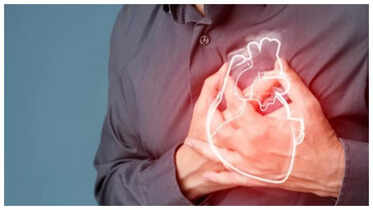
One of the most common signs is chest discomfort or pressure. This happens when the heart muscle doesn’t get enough oxygen-rich blood.
2. Shortness of Breath
If your heart cannot pump efficiently due to blocked arteries, you may feel breathless even during light activity or at rest.
3. Fatigue
Unusual or persistent tiredness can signal reduced blood flow, especially in women.
4. Heart Palpitations
Irregular or rapid heartbeat may occur when the heart struggles to circulate blood properly.
5. Dizziness or Lightheadedness
Reduced blood flow to the brain can cause dizziness, fainting, or balance problems.
6. Pain in the Neck, Jaw, or Back
Clogged arteries don’t always cause chest pain. Discomfort may radiate to the neck, jaw, shoulders, or upper back.
7. Cold Sweats
Sudden sweating without a clear reason can be a warning sign of heart-related issues.
8. Numbness or Weakness (Especially on One Side of the Body)
This may indicate reduced blood flow to the brain and could be a sign of an impending stroke.
9. Leg Pain While Walking (Claudication)
Pain or cramping in the legs during movement may suggest peripheral artery disease (PAD), a form of clogged arteries affecting the limbs.
10. Erectile Dysfunction
In men, difficulty maintaining an erection can be an early sign of poor blood circulation due to narrowed arteries.
When to See a Doctor
Seek medical attention immediately if you experience severe chest pain, shortness of breath, or symptoms of a stroke. Early detection can significantly reduce the risk of complications.
How to Reduce Your Risk
- Eat a heart-healthy diet (low in saturated fat and processed foods)
- Exercise regularly
- Quit smoking
- Manage stress
- Control blood pressure, cholesterol, and blood sugar
Conclusion
Clogged arteries can develop without obvious symptoms, but your body often gives subtle warnings. Recognizing these signs early and seeking medical advice can help prevent life-threatening complications.


0 Comment:
Post a Comment